 English
 اردو
اردو
Enter your content here...No‑till farming means growing crops without plowing the soil. Instead of turning or disturbing the soil, seeds are planted directly into the leftover crop material from the previous season. This leftover plant material acts as a natural cover for the soil.
✔ Why No‑Till Farming Matters
Research shows several strong benefits of no‑till systems:
- Protects Soil from Erosion
- Leaving soil undisturbed keeps it from being washed or blown away. No‑till can reduce erosion by up to 90%.
- Improves Soil Health and Structure
- Healthy soil needs organic matter and living microorganisms. No‑till preserves both, by minimizing disturbance. Studies show increased soil carbon and improved soil structure in no‑till fields.
- Increases Water Retention
- Without tilling, soil stays more porous, helping it absorbs and holds water longer; reducing irrigation needs.
- Promotes Biodiversity
- No‑till systems support more earthworms, insects, and microbes, all of which help crops grow better.
- Saves Fuel & Labor
- No ploughing means fewer trips across the field, lower fuel costs, and less machinery wear.
✔ How No‑Till Farming Works
Most no‑till systems rely on:
- Cover crops to protect and enrich the soil.
- Specialized seed drills that plant seeds directly into unturned soil.
- Crop rotation for natural pest and weed control.
- Mulching to suppress weeds and keep soil cool and moist.
Organic no‑till farmers often use roller‑crimpers to flatten cover crops and create mulch instead of using herbicides.
🪱 Organic Composting Using Red Wiggler Earthworms (Vermicomposting)
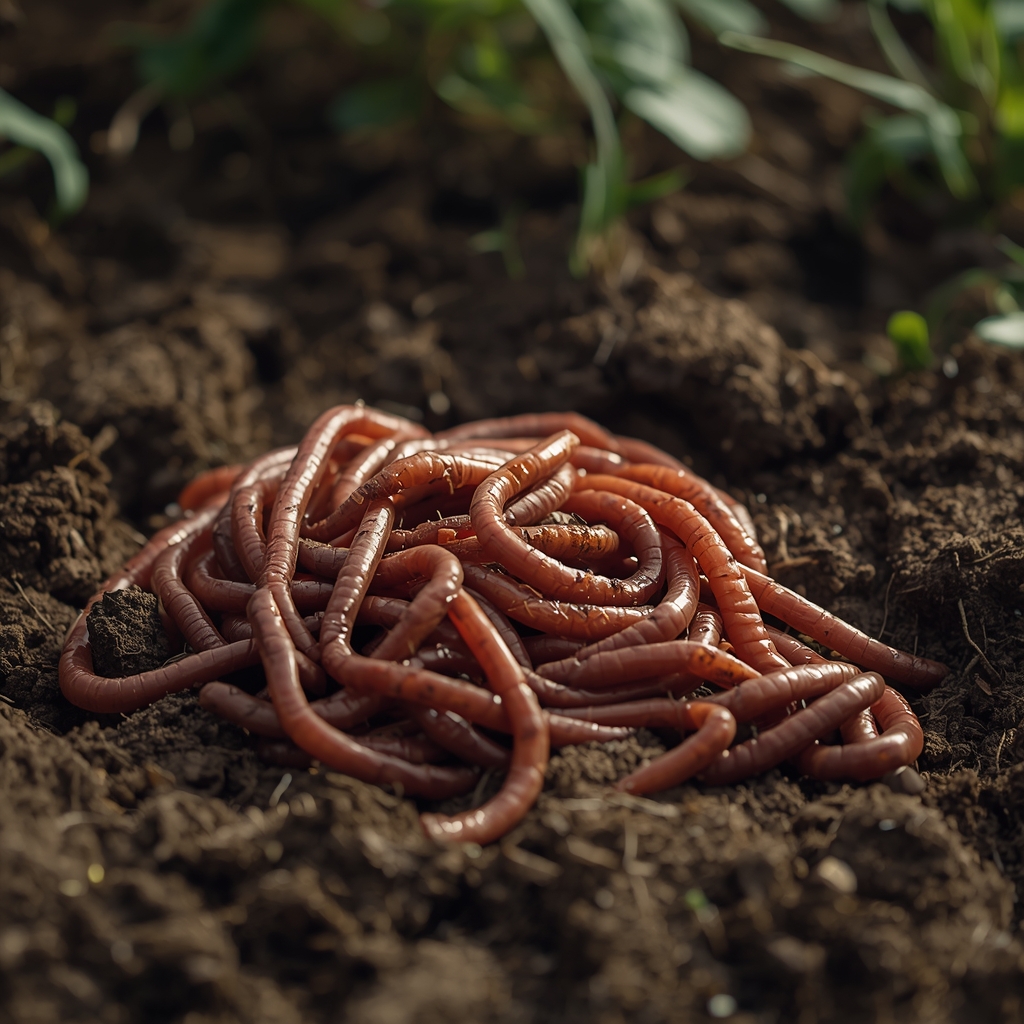
Red wiggler worms (Eisenia fetida) are nature’s best recyclers. They eat kitchen scraps, garden waste, and other organic materials and turn them into vermicompost, a rich, dark, crumbly fertilizer packed with nutrients and beneficial microbes.
🪱 Why Red Wigglers?
Red wigglers are ideal for composting because:
- They thrive in shallow, moist, oxygen‑rich environments.
- They reproduce quickly and consume half their body weight daily.
- They break down organic matter efficiently even in small spaces.
🧰 How to Produce Organic Compost Using Red Wigglers: Step‑by‑Step
1. Prepare a Worm Bin
You can use a plastic or wooden bin. Ensure the bin has:
- Air holes and drainage holes on the bottom and sides.
- A lid to keep the environment dark and moist.
- A tray underneath to catch liquid "worm tea."
A bin 8–12 inches deep works well for beginners.
2. Add Bedding
Bedding simulates the worms’ natural habitat. Good bedding materials include:
- Shredded newspaper or cardboard
- Coconut coir
- Dried leaves
- Peat moss
Moisten the bedding until it feels like a wrung‑out sponge—not too wet, not too dry.
Fill the bin about one‑third to halfway with bedding.
3. Introduce the Red Wiggler Worms
Place the worms gently on top of the bedding. They will naturally burrow into the darkness.
Use roughly 1 pound of worms (≈1000 worms) per square foot of surface area.
4. Feed the Worms
Worms eat a variety of organic waste. Feed them small amounts at first and gradually increase as the population grows.
✔ What You Can Feed
- Fruit & vegetable scraps
- Coffee grounds & filters
- Tea bags
- Crushed eggshells
- Yard waste like small leaves
✖ What to Avoid
- Meat, fish, dairy
- Oily or greasy foods
- Citrus peels
- Onion and garlic in large amounts
These can attract pests and cause odours.
Pro Tip: Chop food into small pieces to help worms break it down faster.
5. Maintain the Worm Bin
To keep worms healthy:
- Moisture: Bedding must stay damp but not wet. Add water if needed.
- Temperature: Keep between 55–77°F (13–25°C). Avoid heat or freezing conditions.
- Aeration: Gently fluff bedding every few weeks.
- Odor Control: Proper aeration and feeding prevent bad smells.
6. Harvest the Compost
Within 3–6 months, the bin will transform into dark, crumbly compost.
To harvest:
Move the finished compost to one side and add fresh bedding and food to the other. The worms will migrate, allowing you to scoop out the finished compost easily.
🌿 Using Vermicompost in No‑Till Farming
Vermicompost works beautifully in no‑till gardens and fields because:
- It boosts soil microbial life, which no‑till systems rely on.
- It improves soil structure and moisture retention.
- It adds slow‑release nutrients without chemicals.
You can apply vermicompost:
- Directly around plants
- Mixed shallowly into the topsoil
- As worm‑tea (liquid fertilizer) for soil and leaf spraying
🌍 Conclusion
No‑till farming and vermicomposting are powerful, sustainable techniques that work hand‑in‑hand. No‑till protects and improves the soil, while worm composting feeds it naturally. Together, they help farmers and gardeners create healthier crops, reduce environmental impact, and save time and effort.
If you want to move toward organic, regenerative farming, these two methods are an excellent place to start.