 English
 اردو
اردو
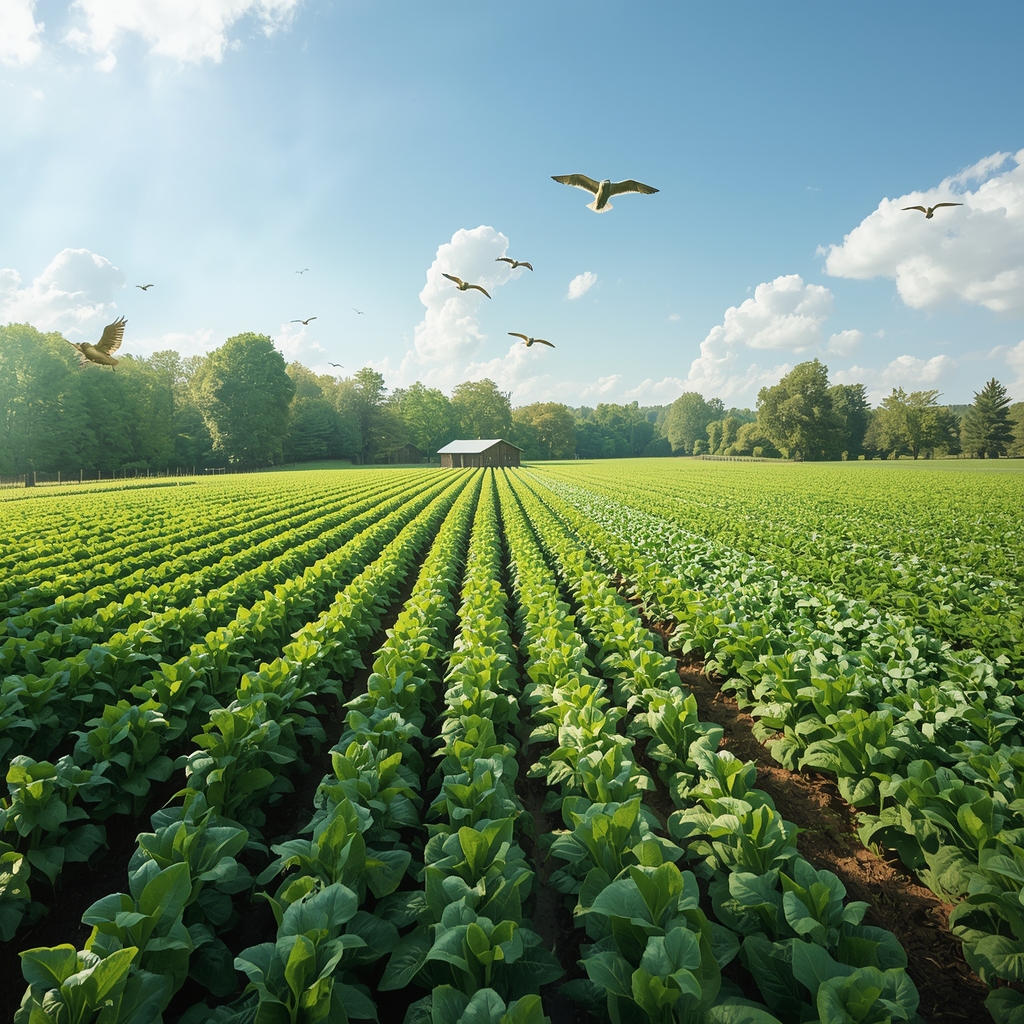
Enter your content herIn a world where people are becoming more conscious about healthy organic food, environmental impact, and sustainable living, organic farming has emerged as a powerful movement. It’s more than just a method of growing crops — it’s a commitment to eco‑friendly farming, soil regeneration, and protecting natural ecosystems. As interest in organic agriculture continues to rise globally, understanding its benefits helps consumers and farmers make informed choices.
🌾 1. Healthier, Chemical‑Free Food
A key reason many people choose organic produce is the avoidance of synthetic pesticides and fertilizers. Organic farming ensures crops are grown using natural farming methods, resulting in chemical‑free farming that supports consumer health.
Why it matters:
- No harmful chemical residues
- Higher nutrient and antioxidant levels
- Better tasting, naturally grown food
- Strong appeal for health‑conscious consumers searching for why choose organic content
These points also make organic agriculture a strong competitor in the organic vs conventional farming debate.
🌍 2. Protecting the Environment with Sustainable Practices
One of the biggest environmental benefits of organic farming is its focus on sustainability. By avoiding synthetic chemicals, organic farmers help reduce soil and water pollution, making it one of the best examples of environmentally friendly agriculture.
Key benefits:
- Protects water bodies from contamination
- Supports sustainable food systems
- Reduces chemical runoff
- Enhances resilience against climate change
- Aligns with global demand for sustainable agriculture practices
Organic farming supports a future where food production remains safe for both people and the planet.
🌱 3. Stronger, Healthier Soil
Healthy soil is the foundation of successful sustainable farming. Organic farmers prioritize methods like composting, crop rotation, and organic soil management to strengthen soil fertility naturally.
Why this is powerful:
- Boosts soil organic matter
- Improves water retention
- Prevents erosion
- Increases microbial life essential for long‑term fertility
- Supports stable yields in sustainable food systems
These soil health improvement practices help create farms that remain productive for future generations.
🦋 4. Better Biodiversity and Natural Balance
Organic farms are rich ecosystems where plants, pollinators, insects, and microorganisms thrive. Without chemical pesticides, organic agriculture significantly increases biodiversity in farming.
Biodiversity benefits include:
- Natural pest control
- Stronger ecological balance
- Enhanced pollination
- Better farm resilience
- Support for wildlife habitats
Many readers search for how organic farming helps the environment, and biodiversity is one of the clearest answers.
💰 5. Long-Term Economic Benefits
While transitioning to organic farming may require more initial effort, it often rewards farmers with better market prices and long-term savings.
Economic advantages:
- Higher-value organic produce
- Reduced long-term costs through natural inputs
- Improved soil productivity
- Stronger appeal in eco-conscious markets
- Support for local and sustainable farming practices
This makes organic agriculture not just earth‑friendly but financially smart as well.
🌿 Final Thoughts
Organic farming is more than a trend — it's a crucial step toward a sustainable, healthier future. By supporting eco-friendly farming, consumers and farmers alike contribute to cleaner soil, healthier food, and a more balanced ecosystem. Whether you're exploring organic products or considering growing your own food, embracing sustainable agriculture is a meaningful choice.