
 English
 اردو
اردو
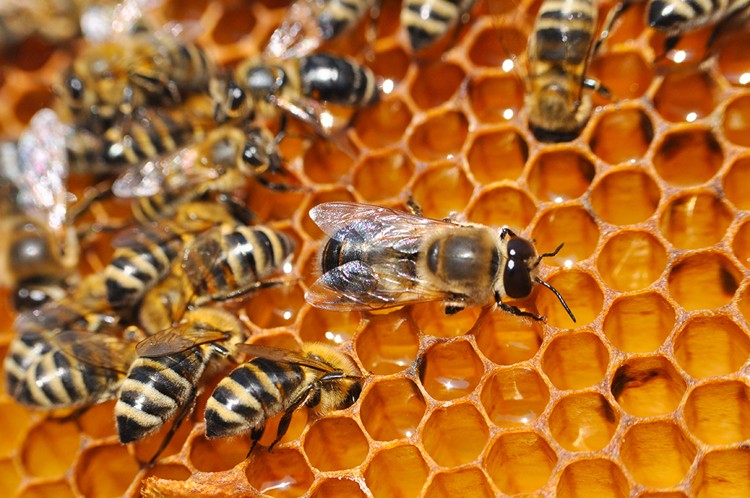
Honey, the sweet and natural nectar, is produced by bees. Not only does it taste delightful, but it also offers numerous health benefits. Today, let’s explore the life cycle of bees, their lifespan, how much honey they produce in their entire life, and how to harvest honey responsibly to ensure the bees’ well-being.
The Bee’s Life Cycle: From Production to Maturity
Bees, or honey bees, are a fascinating gift of nature. Their journey consists of three main stages:
1. Eggs and Larvae: First, the queen bee lays eggs inside the hive. These tiny eggs hatch into small larvae, which are carefully nurtured by worker bees. Over several weeks, these larvae develop into adult bees.
2. Adult Bees: Once mature, the bees start collecting honey, pollen, and protecting the hive. Their collective efforts create a healthy and prosperous hive.
3. Honey Production and Storage: Honey that is collected and stored in the hive serves as vital nourishment during cold winter months when foraging isn’t possible. Honey contains antioxidants and nutrients that are highly beneficial for health.
The Lifespan of Bee and Honey Production
• How long do bees live?
Worker bees typically live about 5 to 6 weeks during the busy summer months. However, in winter, when their activity slows down, they can live up to 4 to 6 months. The queen bee, on the other hand, has a longer lifespan of about 3 to 5 years.
• How much honey does a bee produce in its lifetime?
A single worker bee produces only about 1/12th teaspoon of honey in its entire life. It takes approximately 2 million flowers and visits to produce just 1 pound of honey. Overall, hundreds of bees collectively produce enough honey to sustain the hive during winter.
Responsible Honey Harvesting
While enjoying honey, it’s crucial to harvest carefully, balancing our needs with those of the bees:
Precautionary Tips
• Adequate Quantity: For a typical hive, around 30 to 50 pounds of honey is sufficient to sustain the bees through winter.
• Don’t Over-harvest: Be sure not to take too much honey; removing excessive honey can leave bees starving during winter, risking their survival.
• Seek Expert Advice: If you're new to beekeeping or honey harvesting, consult local beekeepers or experts. They can give you guidance on proper techniques suitable for your climate and hive conditions.
The Health Benefits of Honey
• Rich in antioxidants and vitamins
• Boosts energy and strengthens the body
• Very beneficial during cold weather
• Useful for sore throats and cough relief
Conclusion:
Honey is a natural gift resulting from the hard work and love of bees. We should use it responsibly to keep the bees healthy and ensure that we continue to enjoy its healing properties.
Remember: Before and after harvesting honey, taking special care of the bees is essential to maintain the natural balance and keep the supply of pure honey flowing.